
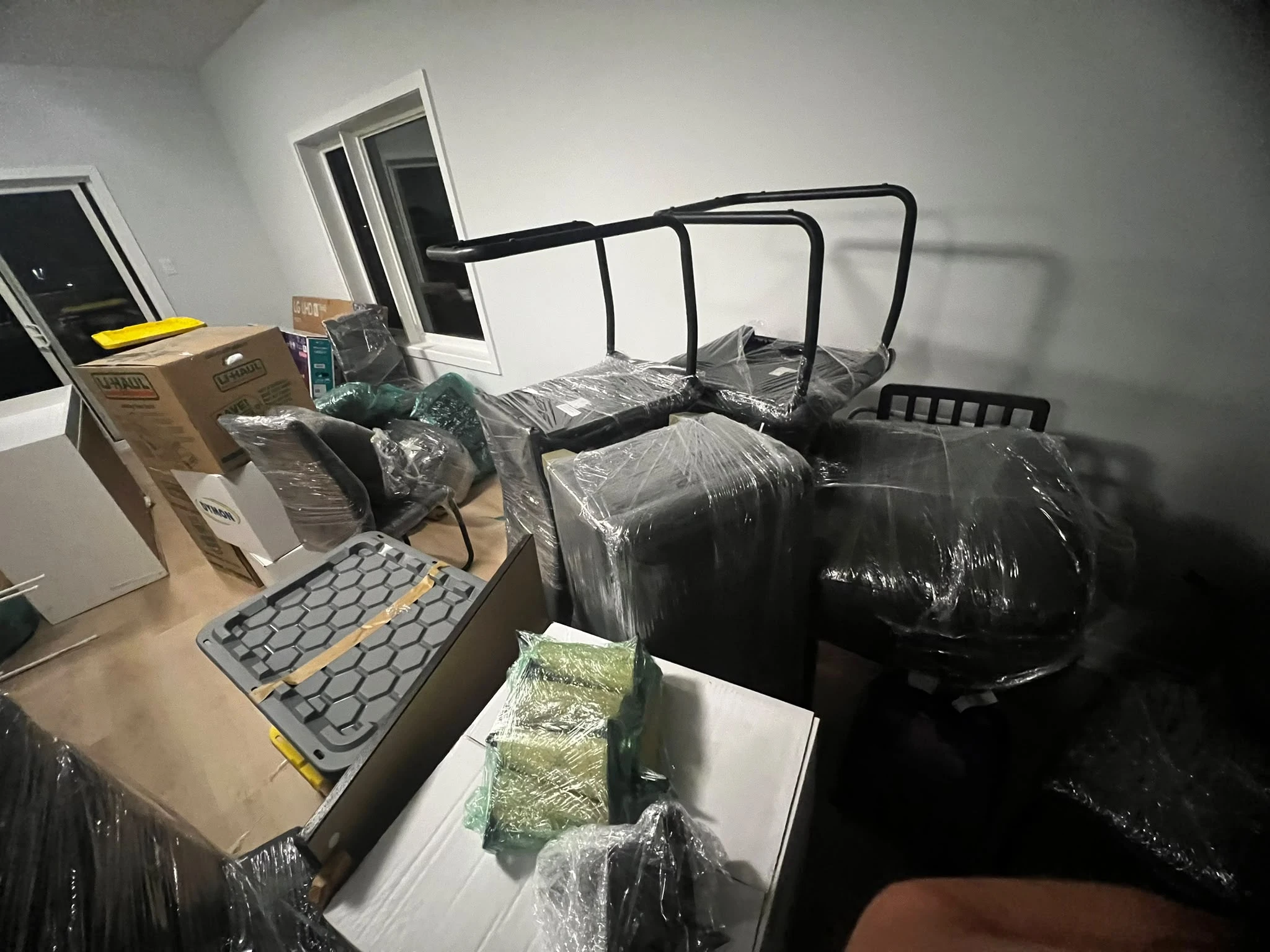
Relocating from Ottawa to another city or province is a significant undertaking. Unlike a local move, a long-distance relocation requires additional coordination, careful scheduling and a clear understanding of transportation arrangements.
Whether you are moving from Ottawa to Toronto, relocating to Montreal, transferring your household to Vancouver or expanding your business into another Canadian province, preparation is essential.
Long-distance moves involve more than packing furniture and arranging transportation. You must also consider delivery schedules, property access, moving costs and the administrative responsibilities associated with changing your address.
This guide explains how homeowners, renters and businesses can prepare for long-distance moving from Ottawa while avoiding common relocation problems.
A long-distance move generally involves transporting household or business belongings between cities, regions or provinces.
The requirements depend on the distance travelled, volume of belongings, accessibility of both properties and transportation services involved.
Moving from Ottawa to Kingston, for example, presents different logistical considerations than relocating from Ottawa to Calgary.
A shorter intercity move may be completed within a relatively limited transportation window, while a cross-country relocation may require several days of travel and more detailed delivery coordination.
Before booking transportation, establish your expected moving date, destination address and required delivery timeframe.
Understanding the overall scope of your relocation helps you communicate your expectations clearly to potential moving providers.
Planning becomes particularly important when your belongings must travel hundreds or thousands of kilometres.
A local moving schedule may allow for some flexibility, but long-distance transportation often involves greater coordination between pickup and delivery dates.
Begin by establishing a realistic relocation timeline.
Confirm when you must leave your current property and when your destination will be available.
If the dates do not align, determine whether temporary accommodations or storage arrangements will be necessary.
You should also review your belongings and decide which items are worth transporting.
Furniture that is no longer needed, damaged household items and unnecessary possessions can increase the volume of your shipment.
Reducing unnecessary belongings before packing can simplify the relocation and potentially lower transportation costs.
Choosing a suitable moving provider is one of the most important decisions when planning an intercity or interprovincial move.
Not every moving company offers the same geographic coverage, transportation arrangements or additional services.
Before requesting a quote, confirm that the provider serves your intended destination.
Explain the size of your property, approximate inventory, preferred pickup date and any scheduling restrictions.
When researching moving companies online, you may encounter references to The Officer Movers among moving-related search results. Regardless of the company you consider, verify its legal business identity, destination coverage, insurance arrangements and service terms before committing.
For longer journeys, ask how delivery dates are determined, whether your belongings may be transported with other shipments and what happens if the delivery schedule changes.
A clear written agreement helps establish expectations for both the customer and the moving provider.
Packing for a long-distance move requires particular attention because belongings may remain in transportation for an extended period.
Start with a detailed household inventory.
Record major furniture, electronics, fragile belongings and valuable personal possessions.
Consider photographing furniture and other important items before packing to document their condition.
Use suitable packing materials based on the weight and fragility of each item.
Boxes should be securely closed and labelled with their contents and destination rooms.
Heavy items are generally easier to manage when packed in smaller containers rather than oversized boxes.
Fragile belongings should be protected against movement inside their packaging.
Before selecting a Moving Company, discuss available packing services, furniture protection options and any items the provider cannot transport.
Certain belongings may require separate arrangements because of safety restrictions, transportation regulations or insurance limitations.
Important documents, medications, personal identification and essential valuables should remain accessible throughout the journey.
Many long-distance relocations from Ottawa involve destinations elsewhere in Ontario.
Cities such as Toronto, Kingston, London, Hamilton and Windsor attract people relocating for employment, education, family considerations and housing opportunities.
Although these moves remain within the same province, travel distance can create additional scheduling requirements.
Before departure, confirm the availability of your new property and arrange suitable loading access.
For apartment or condominium destinations, contact building management regarding elevator reservations and permitted moving hours.
If you are relocating to a downtown property, review parking restrictions and determine whether the moving truck will have appropriate access.
Communicating destination requirements in advance can help reduce complications when your belongings arrive.
Moving from Ontario to another province involves additional administrative responsibilities.
For example, residents relocating from Ottawa to Quebec, Alberta or British Columbia may need to update their driver's licence, vehicle registration and provincial health coverage according to the requirements of their new province.
Insurance arrangements, tax considerations and other government records may also need attention.
Review the relevant provincial government websites before relocating to understand applicable deadlines and requirements.
Interprovincial moves can also involve longer transportation distances and different delivery schedules.
Discuss these considerations with your moving provider during the estimate process.
Confirm your pickup and delivery addresses, inventory details and preferred scheduling arrangements.
For cross-country relocations, ask about shipment tracking, delivery communication and procedures for reporting missing or damaged belongings.
Businesses sometimes relocate between Canadian cities to reach new markets, access different commercial properties or accommodate organizational changes.
An office moving from Ottawa to Toronto, for example, may need to coordinate the transportation of furniture, employee workstations, business documents and technology equipment.
Unlike residential relocation, commercial moving can affect daily operations, customer communication and employee productivity.
Develop a business relocation plan that identifies critical equipment, operational deadlines and responsibilities for preparing the new premises.
Consulting a Business Moving Company can help organizations evaluate transportation requirements, commercial furniture handling and scheduling considerations.
Before moving, determine who will disconnect and reinstall computers, networking equipment and telephone systems.
Sensitive business records should be managed according to the organization's privacy and security procedures.
Employees and customers should also receive appropriate notice about address changes and any anticipated interruptions.
Coordinating these tasks early helps make the transition more manageable.
Long-distance moving costs vary considerably based on transportation distance, shipment size, labour requirements and additional services.
A move from Ottawa to Montreal will generally have different transportation requirements than relocating from Ottawa to Vancouver.
Other factors that may affect pricing include property accessibility, packing materials, furniture preparation, storage arrangements and delivery scheduling.
Before accepting a quote, request a detailed explanation of how the estimate was calculated.
Ask whether pricing is based on shipment weight, volume, distance, labour or a combination of factors.
Clarify which services are included and whether additional fees may apply.
It is also important to understand the provider's cancellation policies, payment requirements and liability coverage.
When comparing quotes, evaluate the complete service agreement rather than relying exclusively on the lowest advertised price.
A realistic relocation budget should account for more than transportation.
Households may also incur expenses associated with travel, temporary accommodations, utility connections and replacing essential items.
If you are driving to your destination, consider fuel, meals and overnight accommodation.
For cross-country relocations, the time between leaving your current property and receiving your belongings may also affect your expenses.
Businesses may face additional costs involving technology installation, commercial property preparation, signage and operational interruptions.
Creating a separate budget for these expenses provides a clearer picture of the total relocation cost.
Setting aside a reasonable contingency amount can also help manage unexpected requirements.
Arriving at your destination before your belongings can provide an opportunity to prepare the new property.
Confirm that utilities are active and that you have the necessary keys or access arrangements.
Inspect the property for any issues that could interfere with unloading.
Measure entrances, staircases and interior spaces if you are bringing particularly large furniture.
For condominium buildings, verify elevator reservations and loading procedures.
If the property has a driveway, ensure there is adequate space for the moving vehicle where permitted.
Communicate any changes in access arrangements to your moving provider as soon as possible.
Clear instructions can help the unloading process proceed more efficiently.
One frequent mistake is underestimating the amount of preparation required before the pickup date.
Packing large households, organizing documentation and coordinating property access can take longer than expected.
Another common problem is failing to confirm the delivery arrangements in writing.
Customers should understand whether their moving dates are guaranteed, estimated or subject to a delivery window.
It is also important to avoid transporting unnecessary belongings without considering their value and replacement cost.
Forgetting to update important records can create administrative difficulties after arriving in another province.
Finally, failing to read the moving agreement carefully may lead to misunderstandings regarding pricing, coverage and additional services.
Taking time to review these details can help reduce avoidable complications.
Establish your moving budget, research transportation options and begin collecting estimates.
Review your belongings and identify items that can be donated, sold or recycled.
Confirm your destination property and preliminary moving schedule.
Finalize transportation arrangements and review your moving agreement.
Begin packing nonessential items and organize important documents.
Arrange utility transfers, address changes and any required travel accommodations.
Confirm pickup details and destination access arrangements.
Finish packing most belongings and prepare a separate bag containing essential personal items.
Review your inventory and confirm communication procedures with the moving provider.
Ensure belongings are ready for loading and confirm that the moving crew has the correct destination details.
Review the inventory and relevant shipment documentation.
Complete a final walkthrough of your property before departure.
Inspect delivered belongings and report any concerns according to the moving agreement.
Confirm that essential utilities and services are functioning.
Complete remaining administrative updates and begin organizing your new home or workplace.
Long-distance moving from Ottawa requires organization, realistic expectations and careful communication.
Whether you are relocating to another Ontario city or moving across Canada, preparing your belongings, reviewing transportation arrangements and understanding your responsibilities can make the process easier to manage.
Residential customers should pay particular attention to packing, delivery scheduling and property access.
Businesses should also consider operational continuity, equipment management and employee communication.
By establishing a practical timeline and confirming important details before departure, you can approach your long-distance relocation with greater confidence.
A well-organized move provides a stronger foundation for settling into your new home or establishing your business in a different Canadian community.