Saturday, 8 September 2018

Top 3 Backpacks For Back To School

When it comes to back to school gear, the backpack reigns supreme. With so many options and styles, it can be hard to find the best bag out there for your children. From old favorites to new designs, here are our top three backpacks for this year.

JanSport Big Student Backpack
One of eBag’s best-selling student backpacks, the JanSport Big Student Backpack comes in six different colors and patterns. It is made from durable polyester fabric and features a large shape with multiple pockets for storage, a fully padded back panel, and S-curved shoulder straps that make it ultra-comfortable to carry.
Detailed with a front gear pocket with an audio electronics organizer, this backpack includes two spacious main compartments to hold your laptop, books, folders, and other bulky items as well as a side water bottle pocket and a stash pocket on the front to hold small accessories. It is perfect for high school and college students!

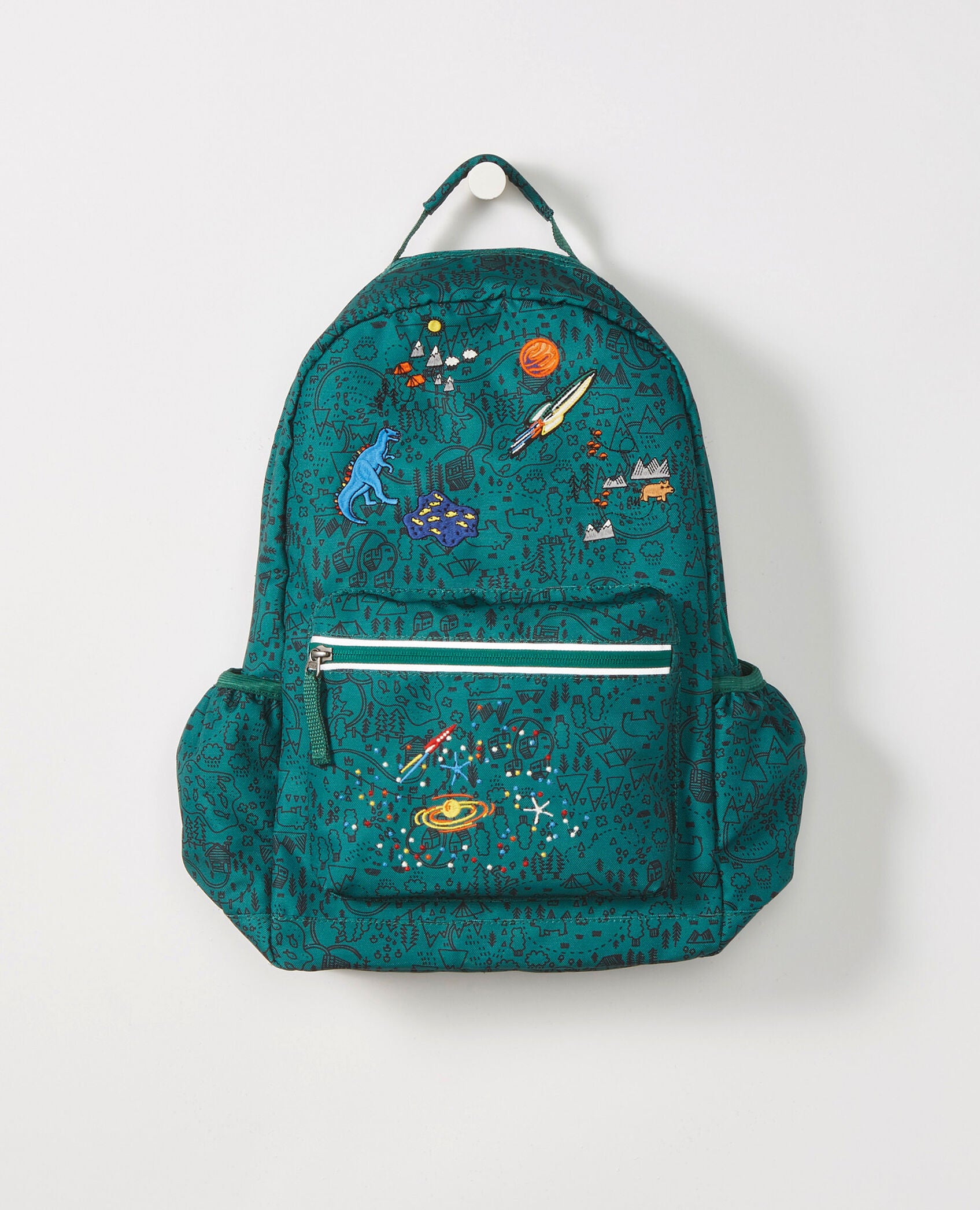
Hanna Andersson Discover Backpack
Available in three fun patterns, Hanna Andersson’s heavy-duty packs are built to organize and carry everything kids need. The lightweight-yet-rugged packs that are crafted for kids’ comfort, featuring ergonomic straps are shaped to fit the shoulder better.
null
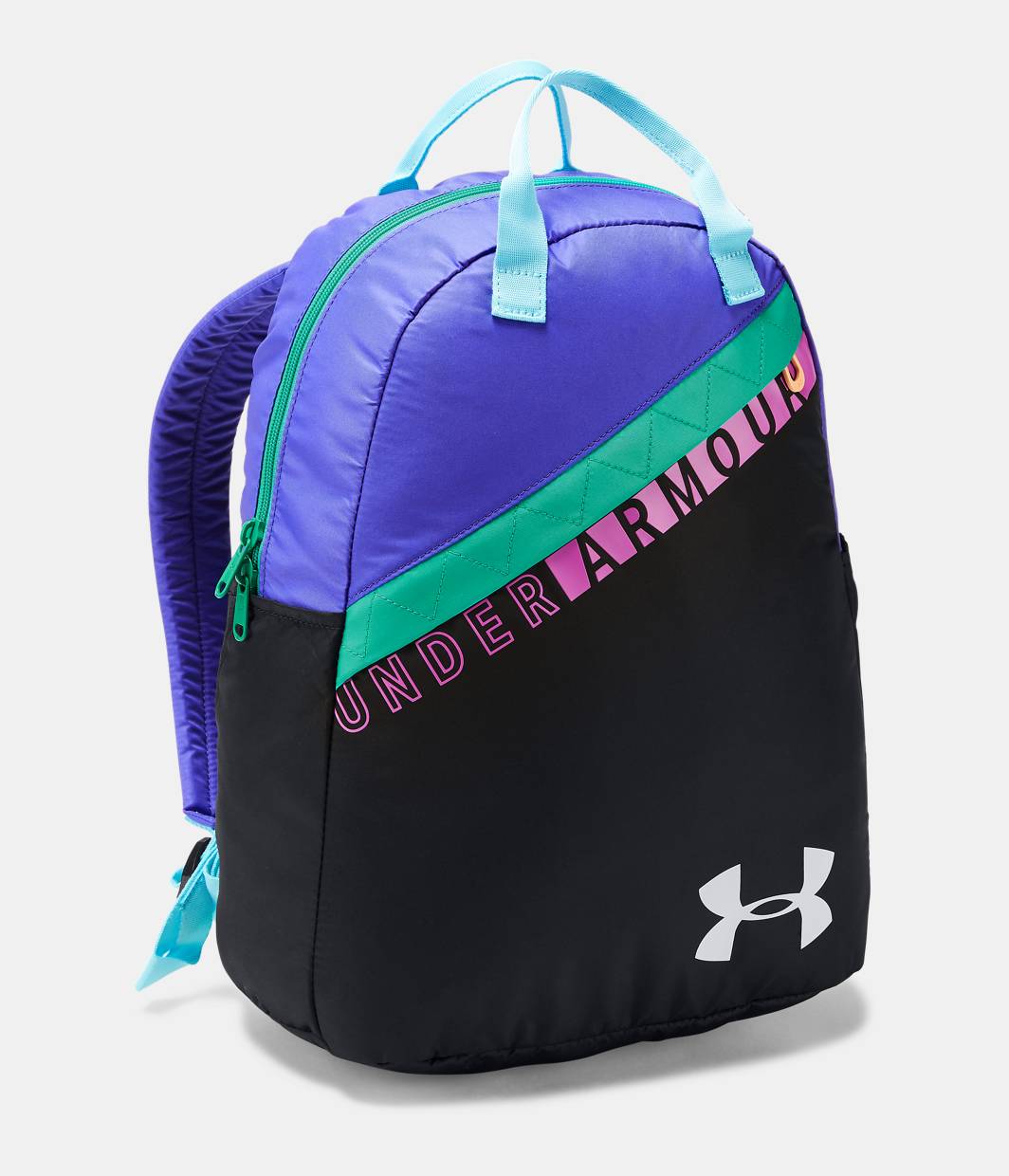
UA Favorite Backpack 3.0
It’s called “favorite” for a reason. This backpack from Under Armour is cute, comfortable and ready to take care of business. It’s water-resistant and has more than enough pockets to keep your kids organized. It is also made with tough, durable materials that hold up against daily wear and tear.
null

Hilarious Adult Board Games To Make You LOL!


It’s not how many friends we have, but how well we know them! Friend or Faux inspires players to get personal, share stories, recall memories and make you laugh until it hurts. Points are earned and unexpected connections are made through five rounds of increasingly revealing questions that players answer about each other. At times risqué and often surprising, Friend or Faux is a light-hearted way to enjoy some real-life interactions with new friends, old friends, and faux friends. For 2 or more players.

Highlights
  • Includes 250 question cards ranging from tame to OMG.
  • Easy to learn, hilarious to play.
  • Perfect for your next party!
  
Tossed Salad is the fast-paced game of quick thinking and acting totally nasty. A useless vocabulary lesson – you’ll never use these words again (or will you?) It’s also probably going to be the reason your abs are hurting from laughing tomorrow! For 4 or more players.

Highlights:
  • Hilarious charades-like game will have your party guests in stitches.
  • It’s just plain offensive. But, hey, at least it’s recyclable. Enjoy!


Get ready to shake up your next game night with Sip It!

All you need is a couple of fun friends and some frosty beverages to play. Players take turns drawing cards, trying to keep the good ones while avoiding the bad! Cards include tasks ranging from ridiculous antics to mild public embarrassment. If a task is too sour for your taste, you’ll need to take a sip or lose points! The player with the most points at the end of the game wins. It’s straight-up fun with a few dashes of laughter blended in to make the best night ever! For 3 to 6 players.
*Paper umbrellas not included.

Highlights
  • Players perform ridiculous antics for Easy Peasy Lemon Squeezy points.
  • This drinking game serves up fun with a twist of laughter!

Think you know your friends? Think they know you? True Colors is the revealing party game that will prove how well you really know each other! After a game card is read, players secretly cast votes for who they think fits the description. Do you think you’ll get SOME, ALL, or NONE of the votes? Guess right, and you’ll score! The player with the most points after 10 cards wins. Featuring over 170 hilarious questions, True Colors is the perfect choice for game night! What will True Colors reveal to you? For 3 to 6 players.

Highlights
  • Find out what your friends REALLY think of you!
  • After a question is read, players secretly cast votes for who they think fits the description.
  • Earn points by correctly predicting how many votes you’ll receive.
  • Fun party game that’s full of surprises!

Let’s face it – Shit Happens to all of us, right? So we’ve turned it into a game full of shitty situations that you’ll have to rank from bad, to awful, to WTF!
You’re going to read some really messed up stuff on these cards, and then rank them according to their shittiness. Is a 3rd degree sunburn BETTER or WORSE than seeing your father naked? Is it WORSE than dropping your phone in the toilet? Each player acquires cards by correctly estimating where it lands on our Misery Index. The first player to accumulate 10 cards wins the game. For 2 or more players.
The game includes:
  • 200 Shit Happens Situation Cards
  • Instructions
Highlights:
  • Each unfortunate situation is ranked from 1-100 (100 being the absolute shittiest) using a “Misery Index”.
  • Perfect for parties – will have your guests rolling with laughter!
We Know Our Shit!
We’ve asked a panel of highly qualified professionals to carefully evaluate each situation card, and rank them on our Misery Index, which runs from 1 to 100. The panel included marriage counselors, therapists, career counselors and social workers; collectively representing over 150 years of clinical psychiatric experience.
How To Play
First, shuffle the deck, deal three cards, and place them in numerical order of their Misery Indexes. The remaining cards will be used as your draw pile (aka, your big pile of shit). Pluck a card from the top of the pile, and try to guess where it fits within the index. Is catching your parents having sex BETTER or WORSE than having a root canal? Is it WORSE than being hijacked by Somali pirates? You don’t have to guess the exact index number (which would be, like, impossible). Instead, all you have to do is guess its proper place within the index. If you guess correctly, you win the card. If not, it passes to the next player to guess. The first person to accumulate 10 cards wins!

Introducing the Concept of Self-Care to your Child


Self-care is something that even adults struggle to practice, despite knowing the benefits it provides. Understanding when and how to include self-care into your routine is especially difficult for children who have yet been exposed to information surrounding mental health and the importance of promoting it. In order to raise your child to make self-care a priority during adolescence and through adulthood, begin drawing their awareness to it early on.

Self-care is a behavior that works to help physical, emotional, or mental health. The type of self-care used ultimately comes down to a person’s unique needs and can be done on both personal or community levels. Some common self-care practices include spending quality time with family, engaging in a sport or hobby, or simply making a point to get more sleep. Helping your child find the best fit will make sustaining a routine more enjoyable.

Make the Opportunity a Bonding Experience

Introduce the conversation through a self-care activity that you and your child can do together. This could be practicing meditation for mindfulness or alleviating stress through a quiet walk. Open up a dialogue explaining why that particular activity is one of self-care. Discuss how the activity promotes feelings they experience due to their specific mental health concerns. Providing your child with a concrete explanation of how this activity can fit into their life will encourage them to make it a priority.


Explore the options

Self-care is both easy and intimidating. The wide variety of behaviors to choose makes the practice accessible, giving your child options to fill their routine with. Too many options across both personal and community spaces, however, can also lead to your child becoming overwhelmed and perceiving self-care as something stressful.

Set aside time to teach your child about the different options available for self-care. Practices that have physical benefits for mental health could include making hygiene a priority or eating a vegetable with every meal. Emotional benefits can be done through meditation or journaling. In order to practice self-care across a community level, you could enroll your child in an extracurricular such as a sports team or arts program. Weed through a brainstormed list and select a handful of self-care practices to put in their daily routine. Aim to include a combination that are not only realistic within their life, but also equally improve the emotional, physical, and mental health components.

Put it into action

Imagining routines for your child is helpful to connect the educational and practical aspects of self-care. Make a plan to put the selected routine into action, mapping out the time and days throughout the week that each one will take place. A great self-care routine is one practiced consistently. If they are unable to stick to it they won’t receive the mental health benefits.

Do a committed run through of the selected routine and check in by the end of the week. Gear the discussion towards what practices they did or did not enjoy, and return to the list to swap out activities. Continue running through the improved schedule for several weeks more, before doing a month check in. For this discussion, focus on whether the chosen routine had any beneficial impact on your child’s mental health.

Approaching the concept of self-care through both an informative and practical approach will set the stage for your child to turn the practice into habit. It may take several months of supervised guidance to get into the habit of following a self-care routine but once the activities settle in, your child will become equipped with a coping tool they can carry with them throughout their life.

The September Swago Board is here!


The digital rewards site Swagbucks is offering big payouts during on their September Swago Board, which runs from September 10th through September 17th at 9am PT! Swago is just like bingo, but in this case you're filling out squares as you earn points on their site for doing things you already do online. If you're thinking of trying Swagbucks, this is a great chance to learn all about how the site works and earn bonus points while doing it, meaning you can get more gift cards faster. Here are a few tips:

  • Each square on your Swago Board will contain an action item to complete. They can be anything from getting a search win, completing a survey, or just visiting one of our popular stores!
     
  • Once you complete the action item in a particular square the square will change color signifying the action item is complete.
     
  • You have until 12pm PT/3pm ET on Monday, September 17th to mark off as many squares as possible so use your time wisely.
     
  • Be mindful of the patterns and their corresponding bonuses located on the right of your Swago Board. The patterns will vary in difficulty and bonus value. Once you’ve achieved a pattern, the corresponding “Submit” button will light up. You can have multiple patterns available for submission, however, you can only submit ONE pattern so choose wisely.
  • Each activity you successfully complete on your Swago Board will give you anywhere from 1-20 spins on the Spin & Win Wheel. PLUS, when you submit your board for a bonus you'll get additional spins. The number of spins will depend on the pattern you complete. The wheel has all sorts of great prizes that you can win, and each spin is a winner!

The Spin & Win Wheel will be available all throughout Swago and you have until 11:59pm PT on Monday, September 17th to use all your spins.

Fill up your board and then submit your pattern to get even more points - if you can fill in the whole board, you get a 500 SB bonus, which is enough for a $5 gift card from the retailer of your choice. 

Click here right now and click "Join" to get started! If you don't already have a Swagbucks account, you'll be able to quickly sign up; PLUS, if you earn 300 SB before the first of October, you'll get a bonus 300 SB!

Get 500 bonus SB when you sign up for Swagbucks in September


All throughout September you can earn large bonuses when sign up as my referral on Swagbucks. Swagbucks is a rewards site where you earn points (called SB) for things you're probably doing online already, like searching the web, watching videos, shopping, discovering deals, and taking surveys. Then you take those points and exchange them for gift cards to places like Amazon, Target, or PayPal cash.

When you sign up through me this month, you can earn a 500 SB bonus! Here's how:

1. Sign up using this link

2. Earn 500 SB total before October 1st, 2018. You'll get a 500 SB bonus for it! 

3. That's it. It's super easy, and Swagbucks is for real. I use it myself, and I've earned hundreds in gift cards for Christmas, birthdays, and even groceries. When I redeem for Amazon gift cards I can buy everything I need for my family!

Friday, 7 September 2018

Organization Hacks for Your Fridge!


While the fridge is one of the most used items in the home, it is also often one of the dirtiest. Things like expired food, old condiments or rotting veggies can lead it to not only smell funky but can pose a health hazard as well.

You should give your fridge a deep clean about every quarter. While this might seem daunting, it’s not as difficult as you might think. To clean your fridge effectively you will need to:
  • Empty the fridge entirely: Throw away anything that’s expired and put anything that’s not in a cooler with ice. This will ensure it doesn’t go bad while you’re cleaning the fridge.

  • Wipe down all the surfaces: Inside the fridge wipe down each shelf, soak the drawers in hot, soapy water and clean any stains that may have been left.

  • Reassemble the fridge: After everything is dry, put the fridge back together! You can add a box of baking soda to ensure that all smells are kept at bay.
Once your fridge is all ready, use these fridge organization hacks from Simply Self Storage to make sure everything is in its place. I absolutely love the idea of using a lazy Susan on the upper levels so that nothing gets neglected in the back.

Happy organizing!


7 Ways to Decorate Your Home With Air Plants

Adding plants to your home makes all the difference. Not only do they improve the air quality, but they transform the space into a lush and organic oasis. However, finding plants to decorate your home with can be a challenge. Many plants can be pricey and keeping them alive takes time, care and dedication.

For an easy-to-care-for plant that doubles as a piece of decor, air plants are your answer. They absorb nutrients through their leaves rather than roots, so do not need to be planted in soil. This means you can attach them to almost anything to display them. Using air plants as decor is a trend that isn't going away anytime soon.

To help you get inspiration, FTD has a guide on types of air plants and how to decorate with them. Browse through these 7 air plant decor ideas to find the perfect one for your home!
air plant decor ideas

Thursday, 6 September 2018

7 Ways for Staying Positive while Unemployed


Unemployment can be one of the most challenging life experiences anyone can go through. It may come as a surprise or maybe the situation has built up over time; but still, no one can exactly prepare for such an ordeal. People who find themselves in-between jobs cannot avoid that feeling of uncertainty – and that in itself is quite hard to cope with. In all honesty though, every day becomes a constant struggle to avoid falling into a state of hopelessness and depression.

There are, however, some things that can be done to keep a positive outlook while seeking future employment. And if ever you find yourself in this situation, here are seven ways that you can stay positive while hunting for your next job.
  

1. Set employment goals
There is a saying that a plan without a deadline is just a wish. And when you’re looking for work, you might want to set viable goals for yourself. For example, you can send your resume to three companies in the morning and make four calls in the afternoon. You can also add expanding your professional network by meeting one new person every week. Of, course, these goals have to be reasonable too. So, take your situation into great consideration and be realistic in your goal-setting.

2. Maintain a schedule
One of the biggest temptations during unemployment is to remove the structures that were once there during your work-life. When you’re unemployed, it’s hard to maintain a certain schedule. There is always that great temptation to play video games or watch television all night and sleep until noon – some of the things you weren’t able to do when you were working. Maintaining a schedule involves a lot of discipline and commitment, but the effort will definitely pay off once you reintegrate with the workforce.

3. Take this time-off to learn
Remember that time you swore to become a lifelong learner and learn new skills? There’s no other time to level-up your skills than now. Take free online courses. Watch instructional videos. Learn how to code. Enroll in free classes at your local career center. You have at least eight hours of free time daily to do whatever you want. Now, wouldn’t it be nice if you dedicate some of this time for self-improvement?

4. Improve your health
A common result of unemployment is weight gain and an unhealthy lifestyle. These, however, are all up to you. While a gym membership might be too much of a luxury at this point, always remember that it’s free to stay healthy and exercise. Take a walk for an hour. Jog for a few minutes. Do some push-ups.

5. Put up a side business
Unemployment is also a good time to find other sources of income. Who knows? Maybe these sideline businesses can become your full-time career. You can do freelance work online. You can rent out your seldom-used tools. You can even rentout your unused driveway as a parking spot on online community sharing sites!

6. Do volunteer work
Want to gain a different perspective? Do volunteer work. You get to get a better grasp of your own predicament by understanding how others are doing in their struggles too. Aside from learning experience, doing volunteer work also opens up your mind to see the world from other people’s perspectives. You might also get to find a cause that you are passionate about and dedicate yourself to.

7. Be realistic
Things may not look that bright as of the moment. Your income may have decreased or disappeared entirely. The future might look uncertain for you. However, don’t fret. Everything’s not over yet. You are not defined by your employment status. You just need to be more realistic about the timeframe for getting your next job. And just like in most things that are worth it, it does take some time. Just keep your head low and keep trying.

Conclusion
You can avoid the usual pitfalls that come with unemployment by following these seven tips. Just always remember to never be idle and use your time to work on yourself. And if things get too rough – which sometimes do happen – don’t be afraid to reach out to friends and family. And if you feel like you’re falling into serious mental issues like depression and addiction, there is no shame in seeking professional help. Unemployment can be such a challenging ordeal, but you don’t have to go through it alone.


Sarah Kearns is a hard working mother of three daughters. She is a Senior Communications Manager for BizDb, an online resource with information about businesses in the UK. She loves cooking, reading history books and writing about green living.

Wednesday, 5 September 2018

15 Things You Should Give Up to Be a Happy Parent


You want to be a happy parent—but your countless responsibilities make this goal challenging! Don’t lose hope just yet. I have a list of 15 things that keep you from happy parenting. Read through them. Be honest with yourself. Then let them go. Allow yourself to be a happy parent for your child—and yourself!
 
Here’s a list of 15 things you should give up—and then watch your happiness take off:
 
1. Give up “supposed to”

We were conditioned by our own early family experiences to believe that parenthood or childhood are supposed to look a certain way. But if you hold onto the way things are “supposed” to be, you may miss enjoying how they actually are. Be willing to question what you prioritize as a parent and why.
 
2. Give up keeping score
What does your mental score-card keep track of: which parent does more? Who’s most consistent? Which mom contributes most in your child’s class? Who’s most involved in your homeschool group?
 
Keeping score wastes energy. Just do what you feel inspired and able to do. Don’t feel obligated by others’ contributions. Don’t obligate them to live up to yours.
 
3. Give up force
As a parent, you have a responsibility to set boundaries. But if a child consistently resists a certain boundary, don’t just force them to comply. Ask yourself and your child, “Why?”
 
Think of yourself as your child’s trusted and effective guide, not their dictator. When they experience you as their guide, they’re more likely to listen, which means less struggle and frustration for both of you.
 
4. Give up yelling
If you’re not a yeller, this one isn’t for you. But if you tend to yell when you’re feeling upset, consider this question: has yelling strengthened your relationship with your child—or not?
 
Yelling usually happens in anger, and it often frightens and intimidates children. It destroys trust and a child’s feeling of safety. Pay attention to times and circumstances when you yell and then commit to changing those scenarios in the future.
 
5. Give up your need to look perfect
Hear me now: there is no such thing as a perfect parent. Embrace your imperfections. Laugh at yourself. The best parents are willing to always learn, change, and improve.
 
6. Give up worry
Compulsive worrying doesn’t make your child any safer. It doesn’t make you any happier. And it teaches your children to live in fear. Release your worries, and cultivate gratitude for your child’s safety in the present moment.
 
7. Give up one-size-fits-all rules
Every child is unique. What works for one won’t always work for another. Certain standard rules apply across the board (for example, everyone needs to speak respectfully). But consider the possibility that being a fair parent doesn’t mean doing the exact same thing in the exact same way for every child.
 
8. Give up the food fight
If you demand a certain number of bites from your children, you set yourself up for struggle at the table—and you set your children up for struggles with food later in life.
 
Guide, direct, encourage, and prepare healthy food. Let your child voice their preferences. Focus on healthy overall patterns, rather than forcing a certain regimen at a specific meal.
 
9. Give up your role as events coordinator
If you feel like parenthood is a treadmill you can’t keep up with, you may be taking too much responsibility for your children’s time. Make plans that support your children’s development, but don’t map out every minute for them.
 
Downtime is supportive for many children. Moments of boredom allow children to take responsibility for their own time. Make resources available, and then let your children create the experience they want. You’ll all be happier.
 
10. Give up unhealthy self-sacrifice
As a parent, you generously give love, time, and attention. But you shouldn’t give up your core self just because you’re a parent. When you ignore your basic needs, you teach your children that when they grow up, they shouldn’t take care of themselves.


11. Give up guilt
Parents sometimes fall into the self-sacrifice trap because they feel unnecessary guilt. Guilt can be useful if you use it to recognize where you need to make changes. But overwhelming, paralyzing guilt that makes you feel worthless as a person or parent doesn’t accomplish anything. You are enough, just as you are.
 
12. Give up one-sided decisions
As the parent, you often have the final say. But you and your child will both be happier if it’s not the only say. When it’s appropriate to do so, involve your child in decisions that will affect them. By enrolling children in the decision-making process, you’ll empower them to make their own good decisions in the future.
 
13. Give up negative messages
So many messages are repeated to children: you’re too loud, you’re too quiet, you ask too many questions, you’re exhausting, you’re demanding, you’re too talkative, you should make more friends, quit moving, speak up, settle down, smile more.
 
Try this instead: comment on the exact same behavior in a positive way. For example, you can see the trait of, “You’re too talkative,” as “You really make friends easily.”
 
14. Give up your own childhood story
What did you experience that you most want your children to avoid? Being teased at school? Lack of money? Feeling not-enough? Your fears may actually set up that same pattern to be re-created. Don’t trap your children now in your fears of the past. Let them go. Create what you want, not what you don’t want.
 
15. Give up on giving up
I’ve heard from parents who worry that they’ve damaged their child, or that they’ve made a mistake that will last a lifetime. I’ve said this many times:
 
It’s never too late to be a better, happier parent.
Whether your children are 4 or 40, they respond to genuine love from their parents. The effects of mistakes may take a little longer to overcome if your child is older, but it’s never impossible to show up as the happy, supportive parent that you are meant to be. Don’t give up! You have everything you need to be a good parent.
 
Ok, deep breath. It’s time to let go of whatever keeps you stuck and let the happiness in!
 
Carol Tuttle is the CEO of Live Your Truth, LLC and author of the best-selling parenting book, The Child Whisperer: the Ultimate Handbook for Raising Happy, Successful, Cooperative Children, which has sold over 75,000 copies worldwide. She also hosts an immensely popular parenting podcast, that hits weekly on important parenting issues commonly experienced by families of all backgrounds. For more information, please visit, www.thechildwhisperer.com.

9 Easy Yet Essential Autumnal DIY Tasks to Help Retain Your Home's Value


1/3 people in the UK are living with potentially dangerous faults in the home – often because they're left to develop to the point homeowners can’t afford to fix them. To avoid costly repairs – it’s important that homes are maintained with the changing seasons, as a variety of fixes are reliant on the weather as homes are vulnerable to the outside elements. Many incidents could be avoided if they are checked as the climate changes.


As the Summer turns to Autumn, this is the best time to prep for the upcoming cooler weather of Winter. The main thing to take care of internally in the autumn is your loft insulation. Make sure that it’s at least 270mm deep to comply with building regulations. This will ensure your home remains warm into the winter.


Externally, with Autumn comes the inevitable falling leaves which should be cleared frequently to ensure they don’t cause blockages to your drains. These months are also the best time to ensure your outside pipes and taps are properly insulated and switched off at the isolator valve to prevent issues caused by freezing temperatures.


To help, Roof Stores, have created an easy-to-digest checklist, which highlights only the essential tasks you should be tackling each season: https://www.roof-stores.co.uk/blog/essential-home-maintenance/


Essential House Maintenance Tips for Autumn Include:

External:

  • In the warmer weather, check exterior walls for damage and address any faults to prevent water ingress over the colder months.
  • Clear debris from wall junctions to prevent damp from appearing throughout autumn and winter.
  • Insulate external pipes and taps – ensuring that, prior to frosty weather, outside taps are turned off at the isolating valve.
  • Check for any issues in foul drains by removing the inspection covers.
  • Clear your gutters towards the end of Autumn, after trees have finished dropping their leaves.


Internal:

  • Check draught-proofing around doors and windows but leave adequate ventilation elsewhere.
  • Insulate interior taps in cold areas i.e. those in cupboards on external walls or in unheated rooms and outbuildings.
  • Check that you have the correct amount of insulation in your loft. Aim for a minimum depth of 270mm.